ARK Pensumpant
How might Gyldendal cut the environmental and economic cost of constantly renewed curriculum literature, and still keep customers coming back?
In this project I was part of a team of three and did user research, concept development, testing and piloted the service over several weeks in ARK bookstores and online.
Where Gyldendal / ARK
When 2022
Team Team of three design and a product owner
My role Service design, concept development, prototyping, testing, ad design
Result Insight portfolio with foundation and recommendations for decision-making
The problem: value locked in students' shelves
Students across Norway are sitting on expensive textbooks with no easy way to pass them on. For ARK and Gyldendal, that's both a sustainability problem and a commercial opportunity. However a return scheme could actually pay for itself, bring customers back to ARK, and compete with the prices students already get selling privately on Bookis and Finn.
We were tasked with developing a concept for textbook return that balanced four competing commercial goals against two environmental ones — and covered the whole service journey, from advertising, to the return itself, to gift-card redemption, to reselling the books. In other words: not a feature, but a product with a business case attached.

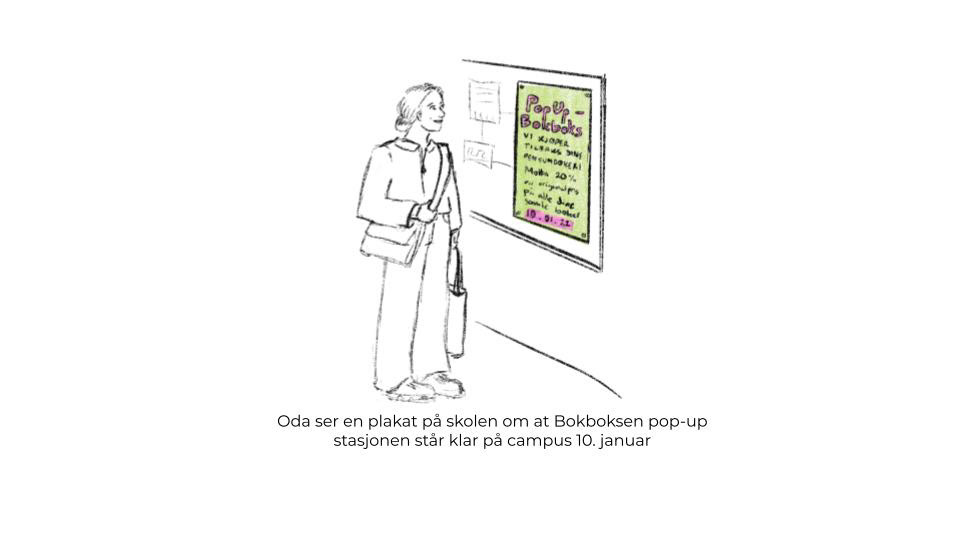
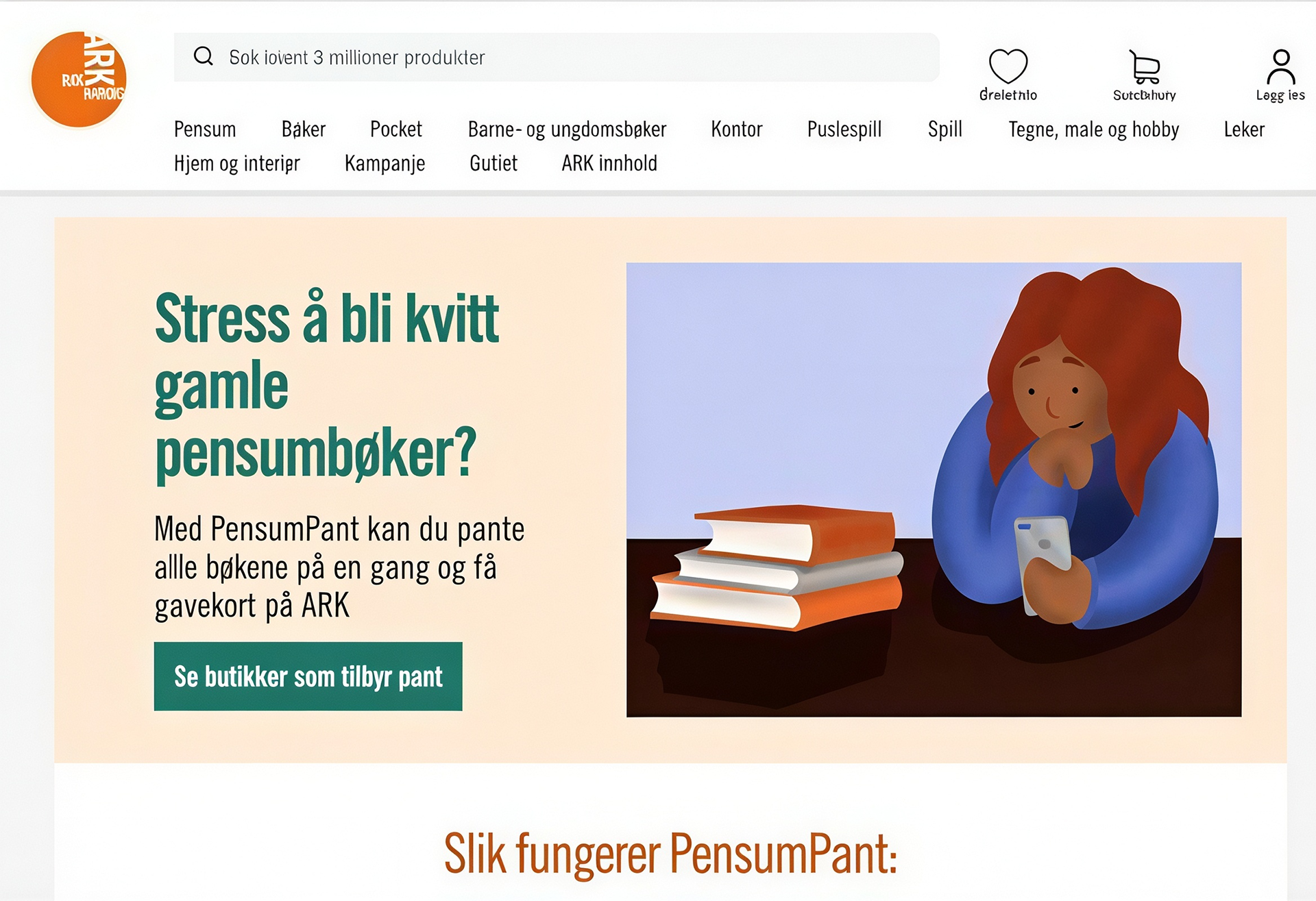
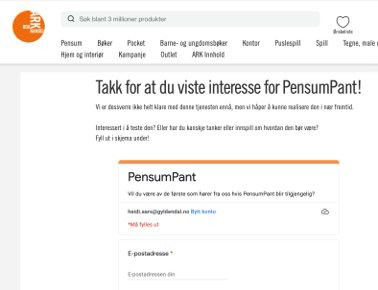
Screenshot from when we were running a fake door instagram commercial
Taking all sides of the product into account
What made this project formative was that the design decisions and the business decisions were the same decisions. I couldn't propose a pricing model without understanding margins, and I couldn't design the return flow without knowing what would actually bring someone into a store. Commercial viability, user need and sustainability weren't separate considerations to balance at the end — they shaped every choice from the start.
Holding all of that at once is where the sharper thinking came from. Mapping the competing interests against each other showed that return didn't have to be an end in itself: redeemed toward digital products, it could become a lever for where Gyldendal was already trying to go. What looked like a recycling scheme was really a way to move the whole business forward.
The process: validate before you build
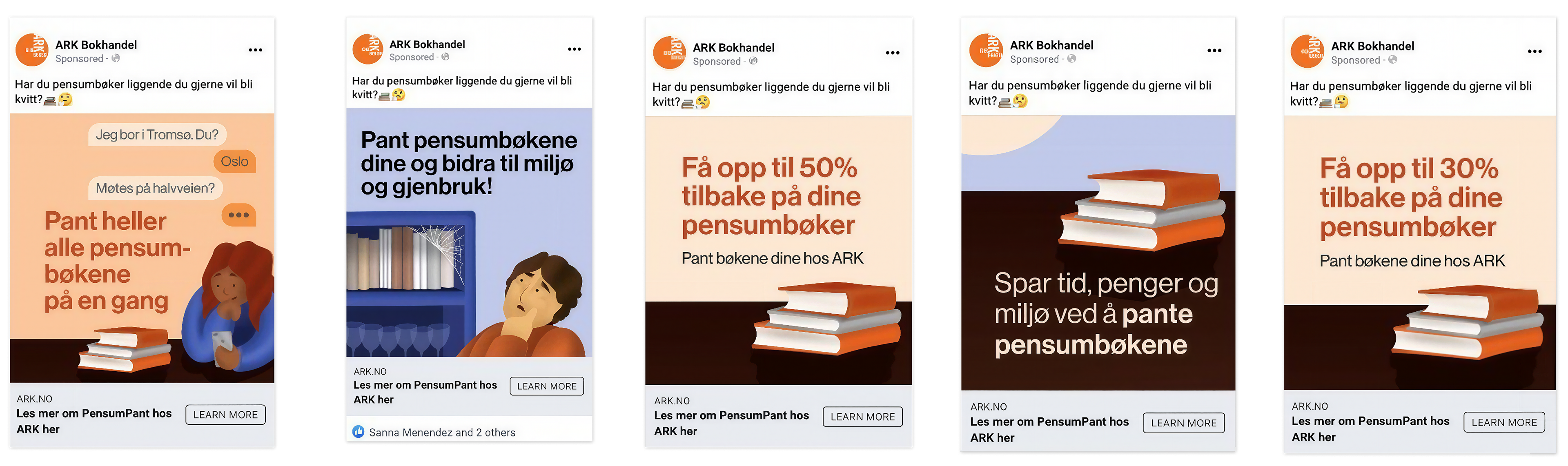
Fake door testing. Rather than assume there was demand, I designed a test to prove it: five ad variations on Facebook and Instagram, each pushing a different value proposition — price, environment, convenience — all driving to a landing page and sign-up form for a service that didn't exist yet.
The results were striking, especially run over two weeks outside peak buying season. The ads pulled a 5.8% click-through rate against an industry average around 1%, and of the 4,000-odd people who clicked, over 60% carried on to the next step. 329 signed up asking to be told when it launched — and the best-performing ad had already been paused after three days, so the real appetite was likely higher still.
Turning a test into research. Those sign-ups weren't just a demand signal. They came with 330 qualitative responses on pricing, which I analysed straight into the final structure — a clear pattern showed people wanted more for the latest editions and considered the flat rate for older ones too low. One test gave me both quantitative proof of demand and qualitative direction on the offer.
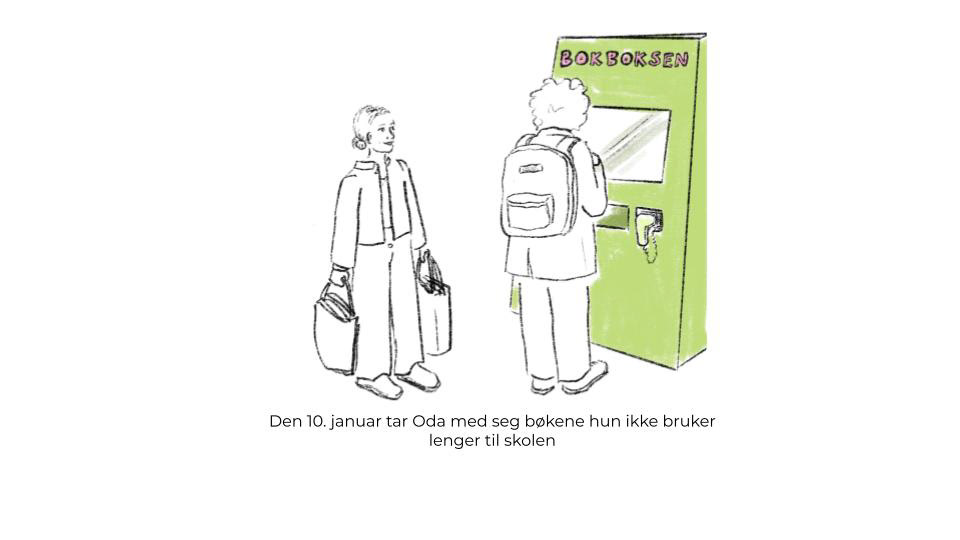
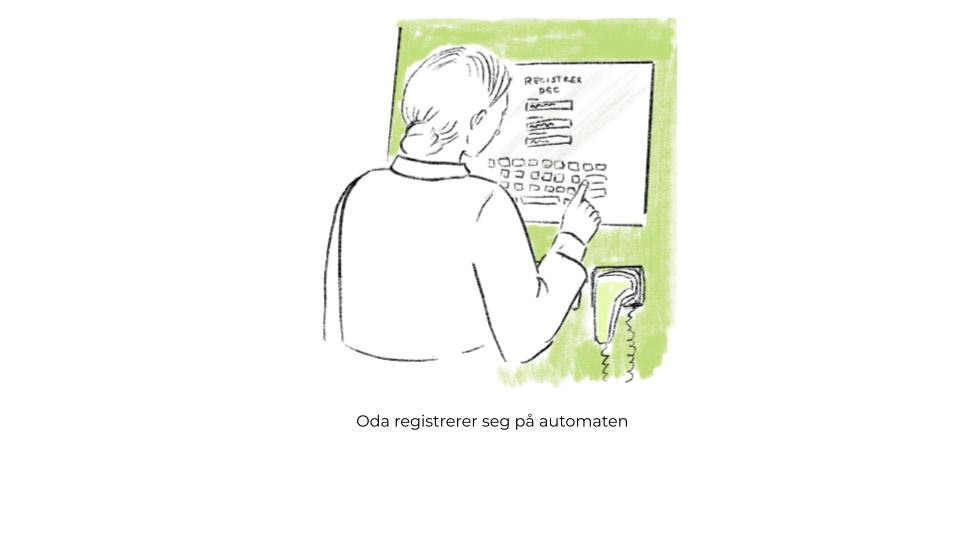
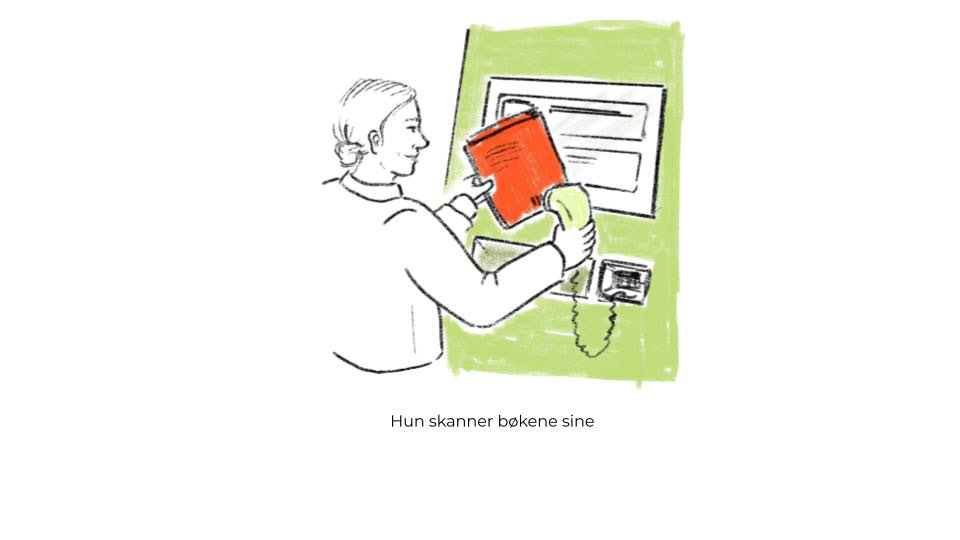
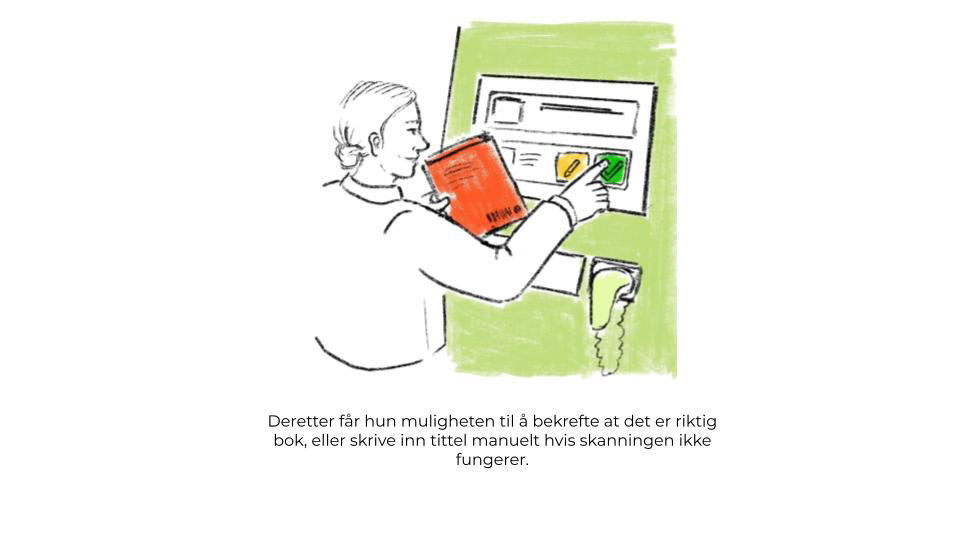
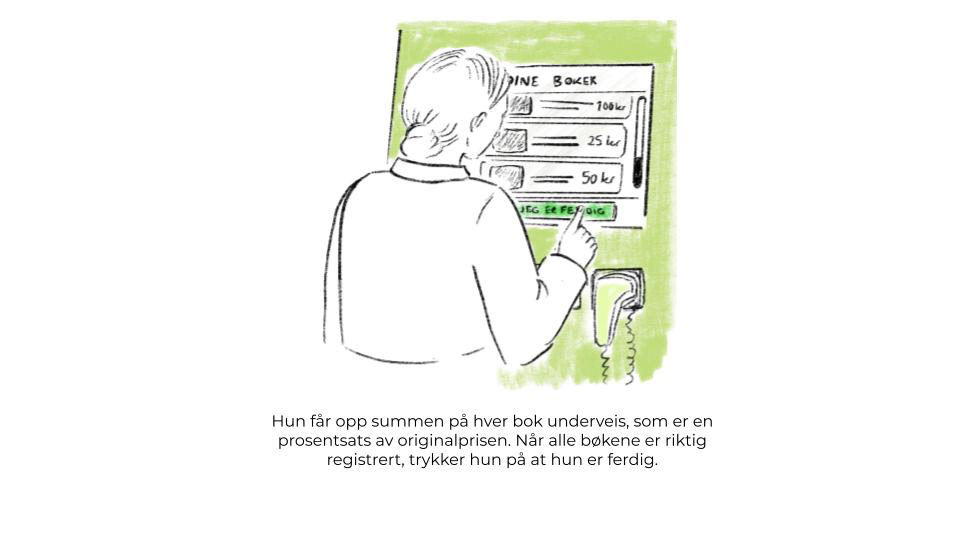
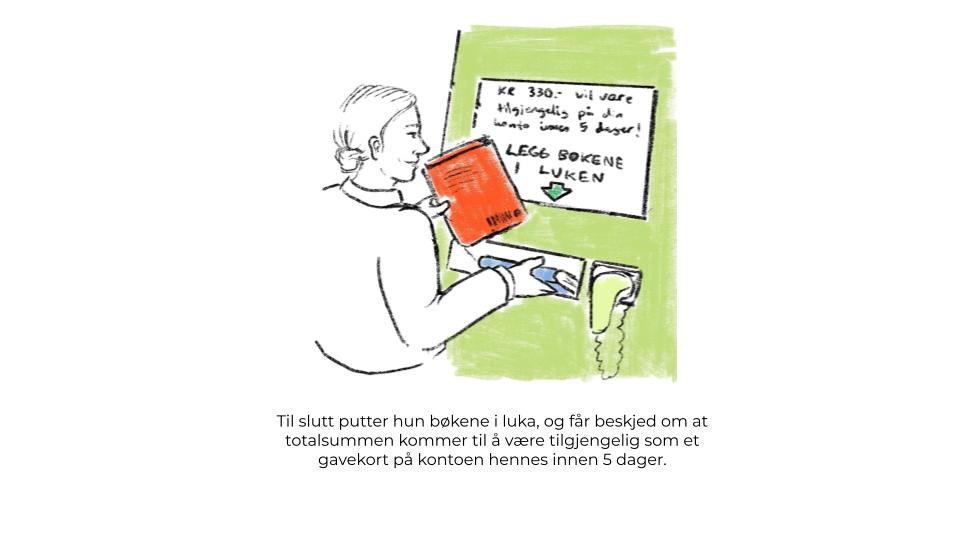
Prototyping the whole service physically. To pressure-test the concept beyond a screen, we set up a physical stand and ran the entire service journey in person: receiving books, assessing condition, issuing gift cards, onward sale. It surfaced friction you can't find in a mockup — like the awkward judgement call of grading a book's condition face to face, which fed straight back into the model.
The result
The work produced an insight portfolio that became a strategic tool well beyond Pensumpant itself. Leadership responded to it not as a design deliverable but as a basis for prioritisation; evidence they could steer by.
And the digital bridge we'd identified in that matrix turned out to be the direction Gyldendal actually took. As a direct result of the work, we were brought in on two further initiatives: an audio concept for course literature in podcast format, and the development of digital learning resources as a supplement to print.
Pensumpant itself never launched as a standalone service. But that's almost the point: the value wasn't a finished feature, it was a well-evidenced decision about where to invest. This is exactly where I think service design has the most potential, reducing risk and making sure you build the right thing early on.